My current Environmental Sustainability professor specializes in invasive species. He was on the committee for the update to the Lacey Act that covered Burmese and rock pythons alongside the yellow anaconda. Here in Chicago, we also have Japanese beetles and Asian carp. For some reason, we do allow mutant rats with shirts to run around the streets like crazy, but I digress.
A lot of people overlook what happens when humans become an invasive species. Let's not even count the animals that humans bring with. In gaming terms, humans, as a species, are broken - that is, overpowered. Even amazingly cool things can be disrupted by the presence of one human tribe. Humans rarely travel alone, after all.
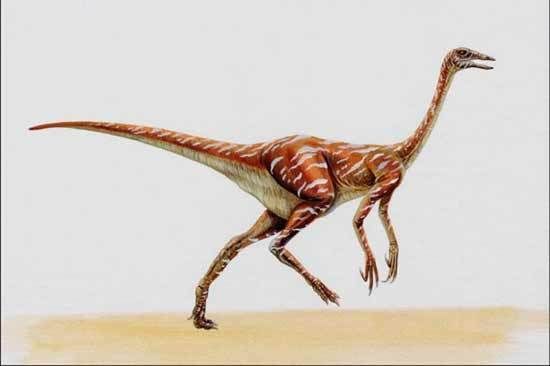
New Zealand and Australia were among the hardest places hit by human invasion. The moa, one particular type of ratite found on New Zealand, was the main prey item of a very, very, very large eagle:

The Haast's Eagle (Harpagornis moorei) was the biggest eagle that ever lived. It had a 2-3 meter wingspan, was approximately a meter and a half from head to tail, and stood higher than most dogs. The wings were actually a bit short for a bird that big, but they allowed the eagle to maneuver in its forest habitat. Regardless, it came down so hard and fast upon moa that they did not know what hit them. It was said to attack as fast as 80 km/h (or 50 mph). Big, fast, and deadly, this thing would make a good "deadliest animal" opponent versus, oh...a lioness, maybe? Wish I had a simulator.
Hell, if Maori legend is correct, this bird may have killed humans. There are no confirmed reports, but if it can take on a bird many times it size and possibly eat the whole kill, it could certainly kill off an idiot with his iPod. Gandalf's eagle? Yeah, it was kinda like the Haast's Eagle, and still native to New Zealand.
The reason for this bird's extinction was the introduction of men who did not yet have iPods to distract them. Even without modern tech, humanity effectively wiped out the moa, the Haast's eagle's main source of food. Moas were the rough equivalent of deer or other large herbivorous mammals on other continents. There were several species, all of which were completely wingless. This is entry is not about them, but bear with me.
The arrival of humans was a two-pronged attack on the moa population: one, moa were about as intelligent and delicious as giant chickens, and two, the Maori needed to clear the forest for slash-and-burn agriculture. Deforestation and hunting moa were what killed most of the species off in less than a century. This was done by one of the 'innocent' native tribes, remember. No Europeans were involved, but to be fair, they did not help the New Zealand ecology any.
Europeans were the unnecessary crotch kick to the bird-based ecology of New Zealand. We, the Caucasians, likely contributed to the moa going extinct - and, by extension, the Haast's Eagle by 1400. We also brought over small mammals, which screwed things up further. To be fair, we also realized that the kakapo were adorable and endangered, so the white man gets a few brownie points.

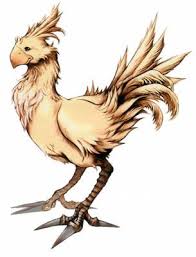
One predator so efficiently killing off the moa doomed the Haast's Eagle to extinction. Had this been in any other era, there would be wildlife federations protecting this bird. They could totally have used the Lord of the Rings series to raise awareness that, yes, New Zealand did in fact have giant eagles. Also, there is a high chance that someone would have figured out how to domesticate moa, and thus we would have wingless chocobos. "Giant eagles and chocobos" sounds like a good time.
A lot of people overlook what happens when humans become an invasive species. Let's not even count the animals that humans bring with. In gaming terms, humans, as a species, are broken - that is, overpowered. Even amazingly cool things can be disrupted by the presence of one human tribe. Humans rarely travel alone, after all.
New Zealand and Australia were among the hardest places hit by human invasion. The moa, one particular type of ratite found on New Zealand, was the main prey item of a very, very, very large eagle:
The Haast's Eagle (Harpagornis moorei) was the biggest eagle that ever lived. It had a 2-3 meter wingspan, was approximately a meter and a half from head to tail, and stood higher than most dogs. The wings were actually a bit short for a bird that big, but they allowed the eagle to maneuver in its forest habitat. Regardless, it came down so hard and fast upon moa that they did not know what hit them. It was said to attack as fast as 80 km/h (or 50 mph). Big, fast, and deadly, this thing would make a good "deadliest animal" opponent versus, oh...a lioness, maybe? Wish I had a simulator.
Hell, if Maori legend is correct, this bird may have killed humans. There are no confirmed reports, but if it can take on a bird many times it size and possibly eat the whole kill, it could certainly kill off an idiot with his iPod. Gandalf's eagle? Yeah, it was kinda like the Haast's Eagle, and still native to New Zealand.
 |
| NOW I know why white mages can use necromancy. Nicely done, Gandalf! |
The reason for this bird's extinction was the introduction of men who did not yet have iPods to distract them. Even without modern tech, humanity effectively wiped out the moa, the Haast's eagle's main source of food. Moas were the rough equivalent of deer or other large herbivorous mammals on other continents. There were several species, all of which were completely wingless. This is entry is not about them, but bear with me.
The arrival of humans was a two-pronged attack on the moa population: one, moa were about as intelligent and delicious as giant chickens, and two, the Maori needed to clear the forest for slash-and-burn agriculture. Deforestation and hunting moa were what killed most of the species off in less than a century. This was done by one of the 'innocent' native tribes, remember. No Europeans were involved, but to be fair, they did not help the New Zealand ecology any.
Europeans were the unnecessary crotch kick to the bird-based ecology of New Zealand. We, the Caucasians, likely contributed to the moa going extinct - and, by extension, the Haast's Eagle by 1400. We also brought over small mammals, which screwed things up further. To be fair, we also realized that the kakapo were adorable and endangered, so the white man gets a few brownie points.
One predator so efficiently killing off the moa doomed the Haast's Eagle to extinction. Had this been in any other era, there would be wildlife federations protecting this bird. They could totally have used the Lord of the Rings series to raise awareness that, yes, New Zealand did in fact have giant eagles. Also, there is a high chance that someone would have figured out how to domesticate moa, and thus we would have wingless chocobos. "Giant eagles and chocobos" sounds like a good time.