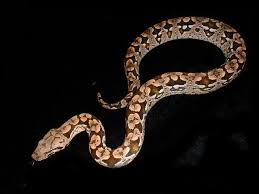
Today was the 2013 Wild Fest! I had no idea how to get there or how big it would be. It turned out to be relatively easy to find and a small exhibit that fit into a Sunday afternoon nicely. A lot of wildlife centers in IL were present. So, without further ado...pictures!

SOAR (Save Our American Raptors) had a booth at the show. FYI, "raptors" here means "Birds of prey" - let's not go Jurassic Park here. They had a lot of owls, a peregrine falcon (the fastest animal in the world) and a bald eagle. While we were not allowed to touch the raptors, they were still awesome to see. How often do you get up-close and personal with a bald eagle, after all?


Animals for Awareness had a lot. Parrots, hedgehogs, and an albino male boa were pretty much par for the course. What I did not expect was the kinkajou - a smallish Central and South American mammal related to raccoons. She was very active, so unfortunately, my pictures sucked. Fret not; I will call them about volunteering opportunities.

Incredible Bats was just that: A bunch of awesome fruit bats that people could see right in front of them. Both species (Egyptian and Straw-Colored) were from Africa, which is usually not praised fro its fruit bats. Alas, bats are nocturnal, and these guys were not very interested in the fruit we offered them.

Jim Nesci is something of a legend among reptile people. He uses exotic reptiles for a lot of educational shows and appears regularly at ReptileFest and NARBC. We just missed his big display involving an albino Burmese python. BUBBA was there, too; check out the little girl getting a ride on an alligator's back!

Finally, Big Run Wolf Ranch made it to this awesome exhibition. Neither Shanoa nor Zeus wanted to show up; instead of the standard gray wolf, we got to see Canuck (sp?), a British Columbian wolf. These wolves are actually the ranch owner's favorite, sparting dark coats, brilliant yellow-green eyes, and a white mark on the chest. It's a shame I couldn't figure out how to get my camera to shoot right. Kirby II was there as well.
This was a pretty awesome event, if small. With only so much space to work with and so much time, it's pretty easy to see everything in an hour. Stick around for a show; you won't regret it.

SOAR (Save Our American Raptors) had a booth at the show. FYI, "raptors" here means "Birds of prey" - let's not go Jurassic Park here. They had a lot of owls, a peregrine falcon (the fastest animal in the world) and a bald eagle. While we were not allowed to touch the raptors, they were still awesome to see. How often do you get up-close and personal with a bald eagle, after all?

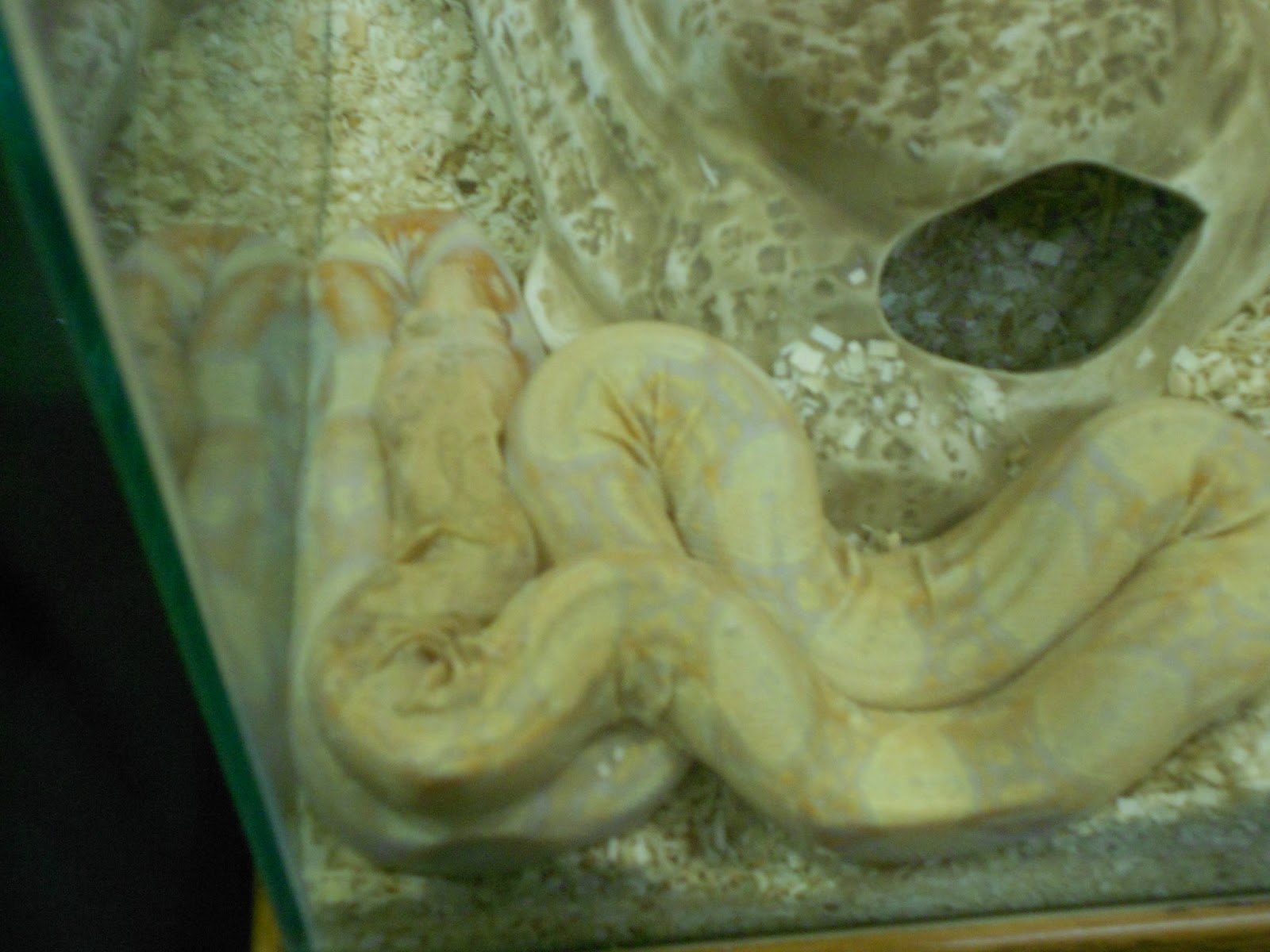

Animals for Awareness had a lot. Parrots, hedgehogs, and an albino male boa were pretty much par for the course. What I did not expect was the kinkajou - a smallish Central and South American mammal related to raccoons. She was very active, so unfortunately, my pictures sucked. Fret not; I will call them about volunteering opportunities.

Incredible Bats was just that: A bunch of awesome fruit bats that people could see right in front of them. Both species (Egyptian and Straw-Colored) were from Africa, which is usually not praised fro its fruit bats. Alas, bats are nocturnal, and these guys were not very interested in the fruit we offered them.

Jim Nesci is something of a legend among reptile people. He uses exotic reptiles for a lot of educational shows and appears regularly at ReptileFest and NARBC. We just missed his big display involving an albino Burmese python. BUBBA was there, too; check out the little girl getting a ride on an alligator's back!

Finally, Big Run Wolf Ranch made it to this awesome exhibition. Neither Shanoa nor Zeus wanted to show up; instead of the standard gray wolf, we got to see Canuck (sp?), a British Columbian wolf. These wolves are actually the ranch owner's favorite, sparting dark coats, brilliant yellow-green eyes, and a white mark on the chest. It's a shame I couldn't figure out how to get my camera to shoot right. Kirby II was there as well.
This was a pretty awesome event, if small. With only so much space to work with and so much time, it's pretty easy to see everything in an hour. Stick around for a show; you won't regret it.